
How to Do Seoul Without Rushing
A Neighbourhood-by-Neighbourhood Guide to the City's Most Stylish Corners
Seoul is enormous. Twenty-five districts, more than four hundred neighbourhoods, a subway map that looks like someone spilled a bowl of noodles. The instinct, especially on a first trip, is to treat it like a checklist — palace, tower, market, palace, repeat — and sprint between landmarks until your feet give out and the city blurs into one long highlight reel you half-remember.
I travel the opposite way.
I pick a handful of neighbourhoods, and I do the best of each one slowly. A good coffee, a long walk, one or two places worth lingering in, and enough unscheduled time to follow whatever looks interesting down a side street.
You see less of the map this way.
You feel far more of the city.
This is Seoul done at that pace — four neighbourhoods, each with its own character, built around the kind of design, coffee, art, and cocktails that make the modern city worth slowing down for. It isn't a complete guide to everything. It's the stylish version, the one I'd actually send a friend.
For travellers in their late twenties and thirties who'd rather have one perfect coffee than three rushed ones, and who care as much about how a space is designed as what it serves.
1. Jongno & Seochon
Where Old Seoul Sets the Tone
Start where the city started.
Jongno is the historic heart of Seoul, and the pocket called Seochon — the quiet grid of lanes west of Gyeongbokgung Palace — is where the old bones of the city still show through.
Anchor your morning at Deoksugung Palace. It's smaller and calmer than the headline palaces, with the unusual detail of Western-style buildings sharing the grounds with traditional halls — a little piece of how Seoul met the modern world.
Go early, walk the stone-wall path, and let it be slow.
Then coffee. Here's where Seochon earns its place.
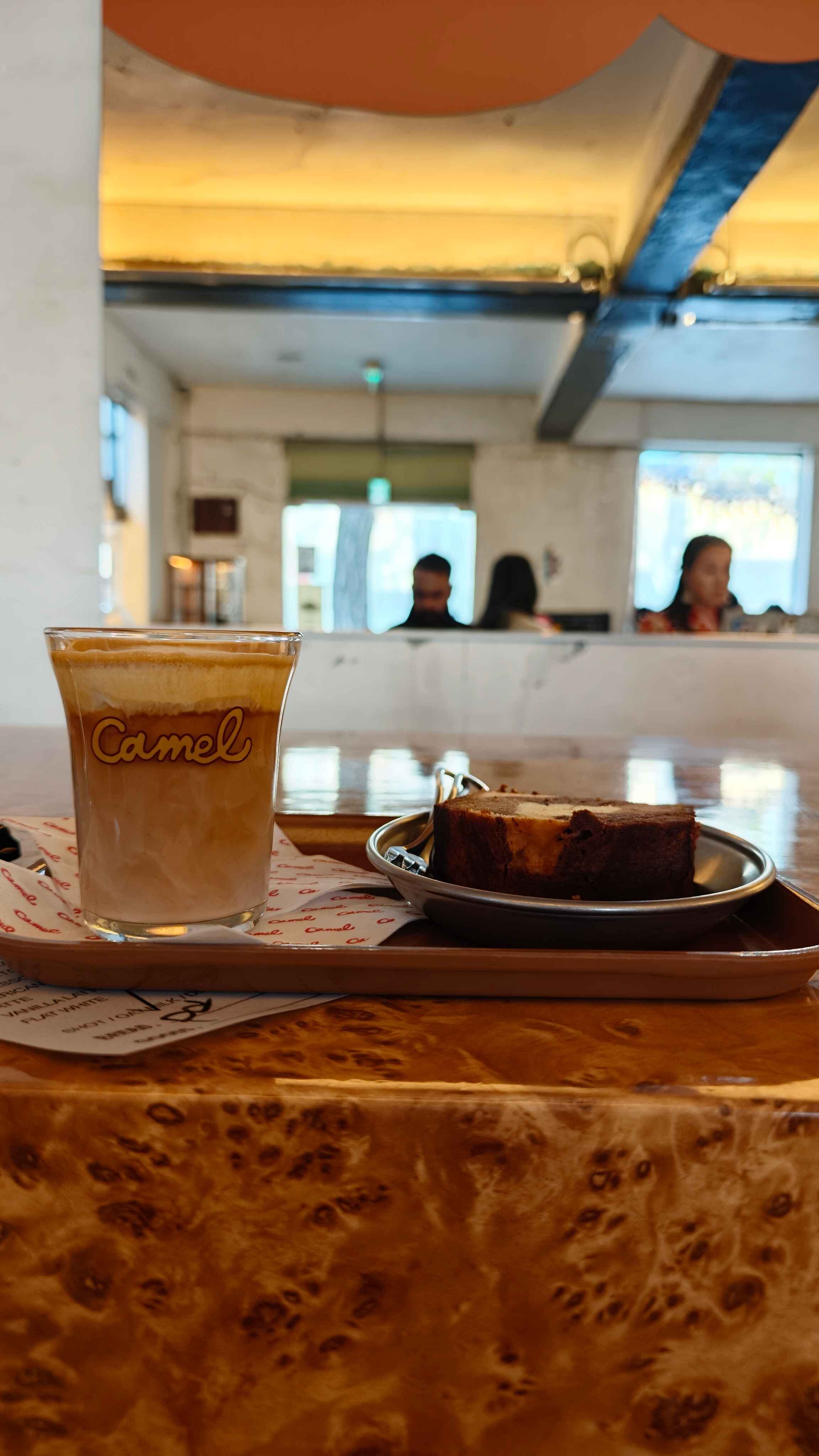
CAMEL Coffee has a branch tucked into a converted old post office near Gyeongbokgung — raw concrete kept intact, vintage furniture, and the kind of considered, minimal design that tells you exactly what Seoul's specialty coffee scene has become.
Order the signature Camel: a small, concentrated cup topped with silky cream. It's halfway between an espresso and a dessert, and it's the right fuel before you wander the surrounding alleys.
Photo: The Camel-branded glass on the burl-wood table.
Caption: "The signature Camel — coffee that tips just slightly into dessert."
Why this neighbourhood first
It sets up the whole trip. Everything modern and design-forward that follows lands harder once you've stood in the older, quieter Seoul it grew out of.
2. Hannam-dong
The Stylish One
If Seochon is where Seoul keeps its history, Hannam-dong is where it keeps its money and its taste.
Sometimes called the Beverly Hills of Seoul, it sits between the Han River and Namsan mountain, and it's the most concentrated stretch of design, fashion, and art in the city.
This is the neighbourhood to spend an unhurried afternoon in.
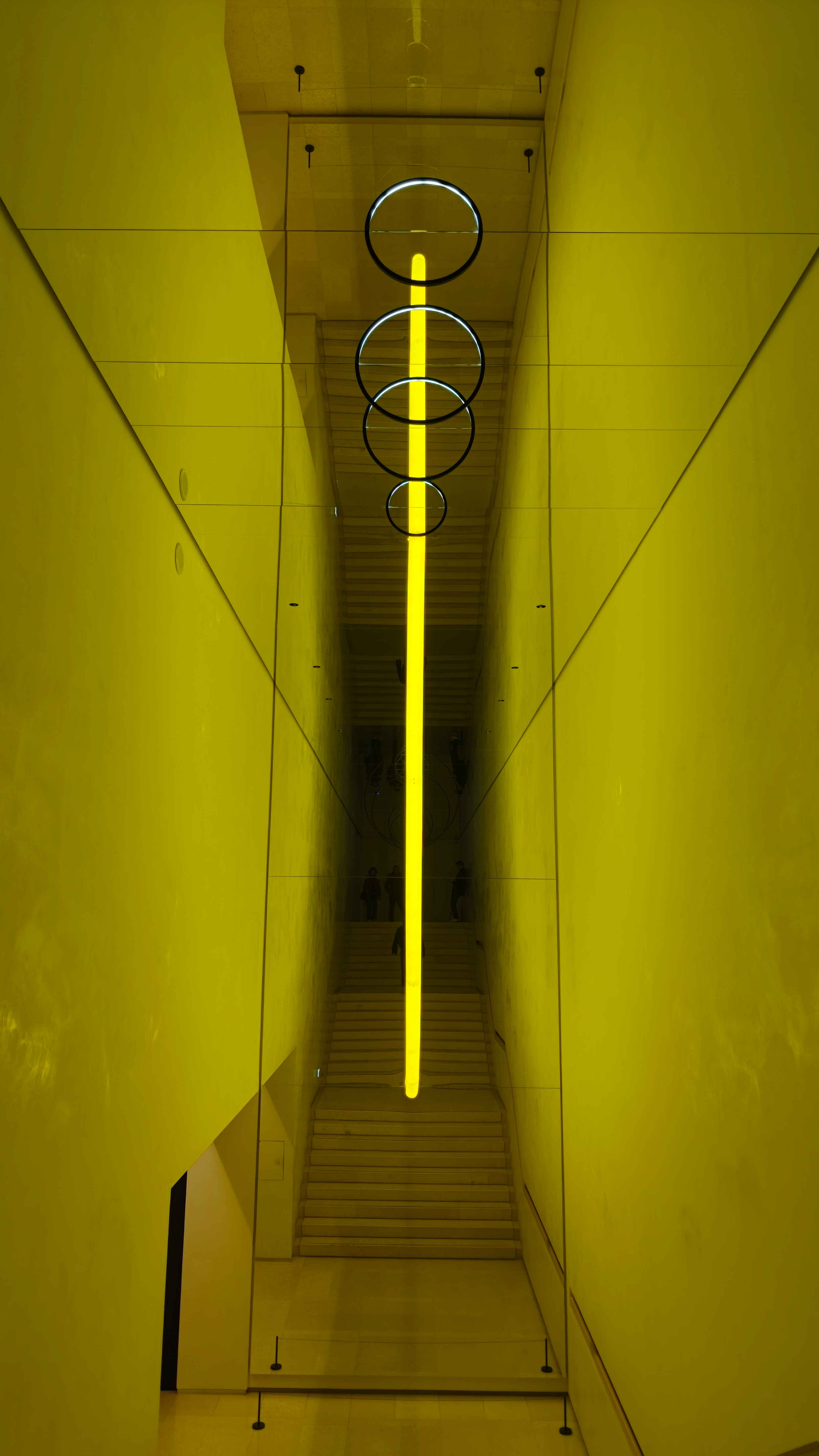
Begin with Leeum Museum of Art.
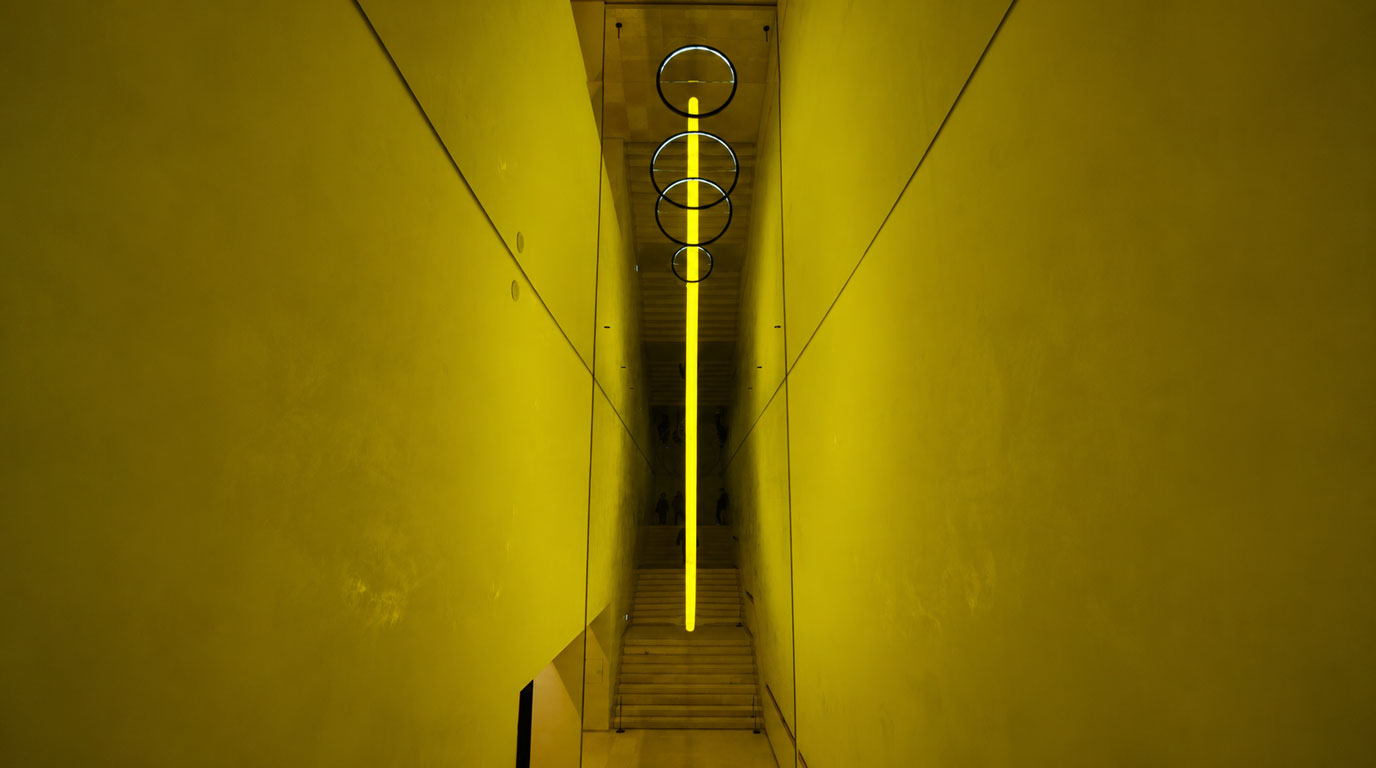
It's one of Seoul's most important contemporary and traditional art museums, with architecture as much a draw as the collection, and rotating installations that are worth checking before you go.
Photo: The yellow light installation over the staircase.
Caption: "A light installation at Leeum — the architecture is as much the experience as the art."
From there, the neighbourhood is built for wandering:
- SOUNDS Hannam — a low-rise brick complex that calls itself an "urban resort": boutiques, restaurants, a bookstore, galleries, and a courtyard terrace, all arranged like a little village you can lose an hour in. A cut above an ordinary mall, and a good place to people-watch over a coffee.
- The Comme des Garçons flagship — not just a shop. The Seoul flagship is a seven-level building of sloping tunnels behind a tall glass façade, with an art gallery in the basement. Go in even if you're not buying; it's a piece of design in its own right.
- The café and boutique side streets— Hannam's quieter lanes are lined with independent fashion boutiques, fragrance shops, and small cafés. This is browsing-as-sightseeing. Leave time to follow the streets without a plan.
The rhythm here
One museum, one design complex, one flagship, and a lot of unstructured wandering.
Don't over-schedule it.
3. Mapo & Seogyo
Younger, Looser, Coffee-First
Cross the river-side of the city's energy and the mood shifts.
The Mapo area — Hongdae and the Seogyo pocket beside it — is younger, scruffier, more student-and-creative than Hannam's polish.
It's where you go to feel the city's everyday creative pulse rather than its luxury one.
The reason to come, for this guide, is the coffee.
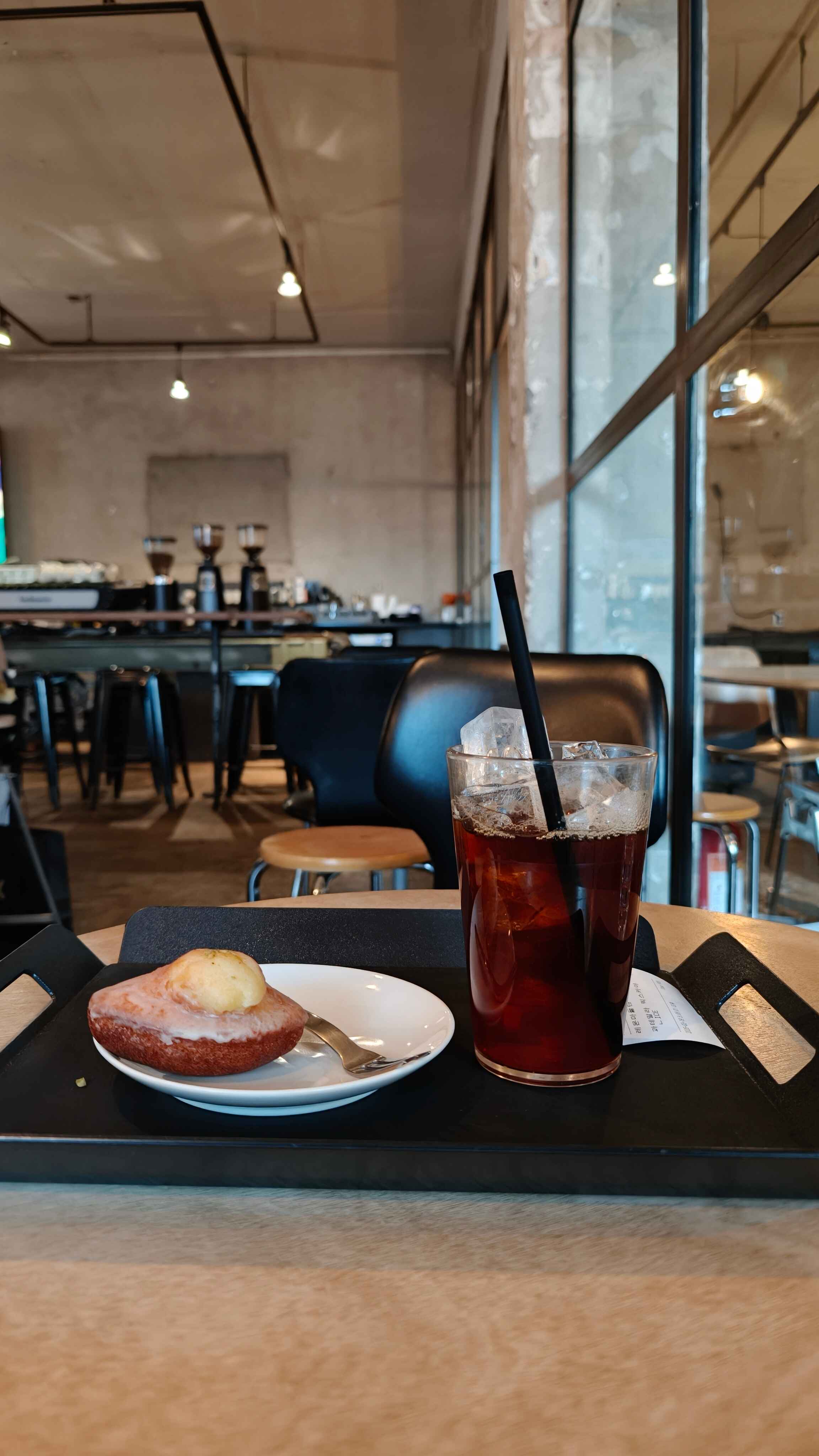
Anthracite Coffee in Seogyo is one of Seoul's serious roasters — industrial space, excellent beans, none of the fuss.
An iced black coffee here, somewhere by the window, is a good way to reset in the middle of a day on your feet.
Photo: The iced coffee and doughnut on the black tray, concrete interior behind.
Caption: "Anthracite, Seogyo — industrial room, serious coffee."
Around it, the Mapo streets reward the same slow wandering as everywhere else on this list: indie shops, smaller galleries, and the kind of café-dense backstreets that Seoul does better than almost any city in the world.
Why include it
Every trip needs a register change. After Hannam's gloss, Mapo's looseness is a relief — and the coffee genuinely competes with anywhere.
4. Gangnam
Apgujeong & Cheongdam, for the Stylish Nightcap
End south of the river, in the most polished corner of the city, because this is where Seoul's design sensibility carries into the evening.
The Apgujeong and Cheongdam stretch of Gangnam is luxury-forward — Rodeo Street, flagship stores, fine dining — but the reason to come for this guide is the bar scene, which is among the best and most inventive in Asia.
Two stops. Both worth a reservation.
Zest
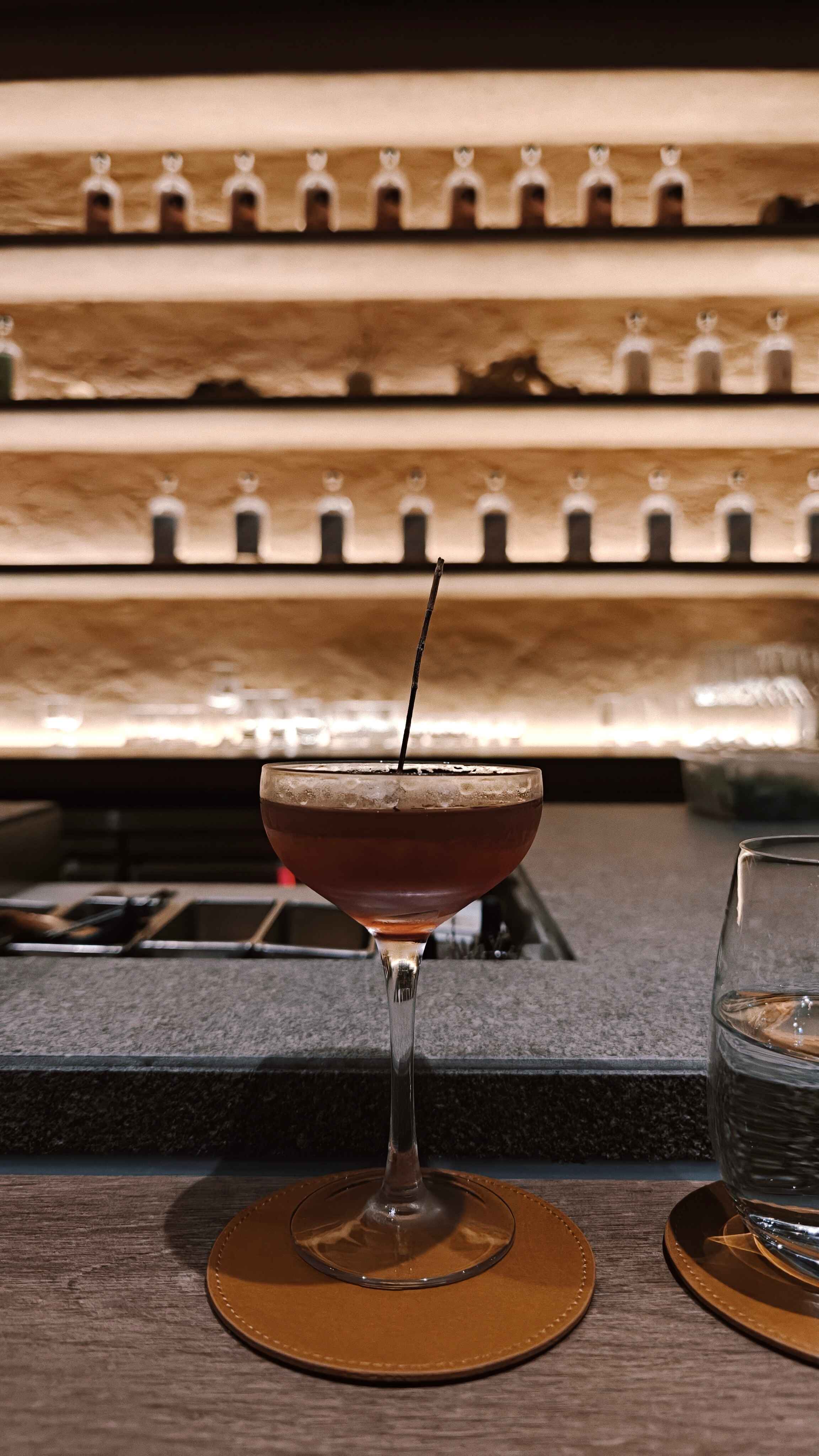
One of the best bars in Asia, and you'll see why the moment you walk in: a minimal, almost lab-like room with a textured backlit wall and no bottles on display.
The whole programme is built around sustainability and Korean ingredients — they make their own spirits, sodas, and stocks, and upcycle nearly everything.
Book ahead; it runs on reservations and timed seatings.
Photos: The spirit-forward coupe on the stone bar, and the bartender in the Zest apron against the backlit shelves.
Caption: "Zest — no bottles on display, every ingredient accounted for."
Bar Geranium
A few minutes away in Cheongdam, and a complete change of register.
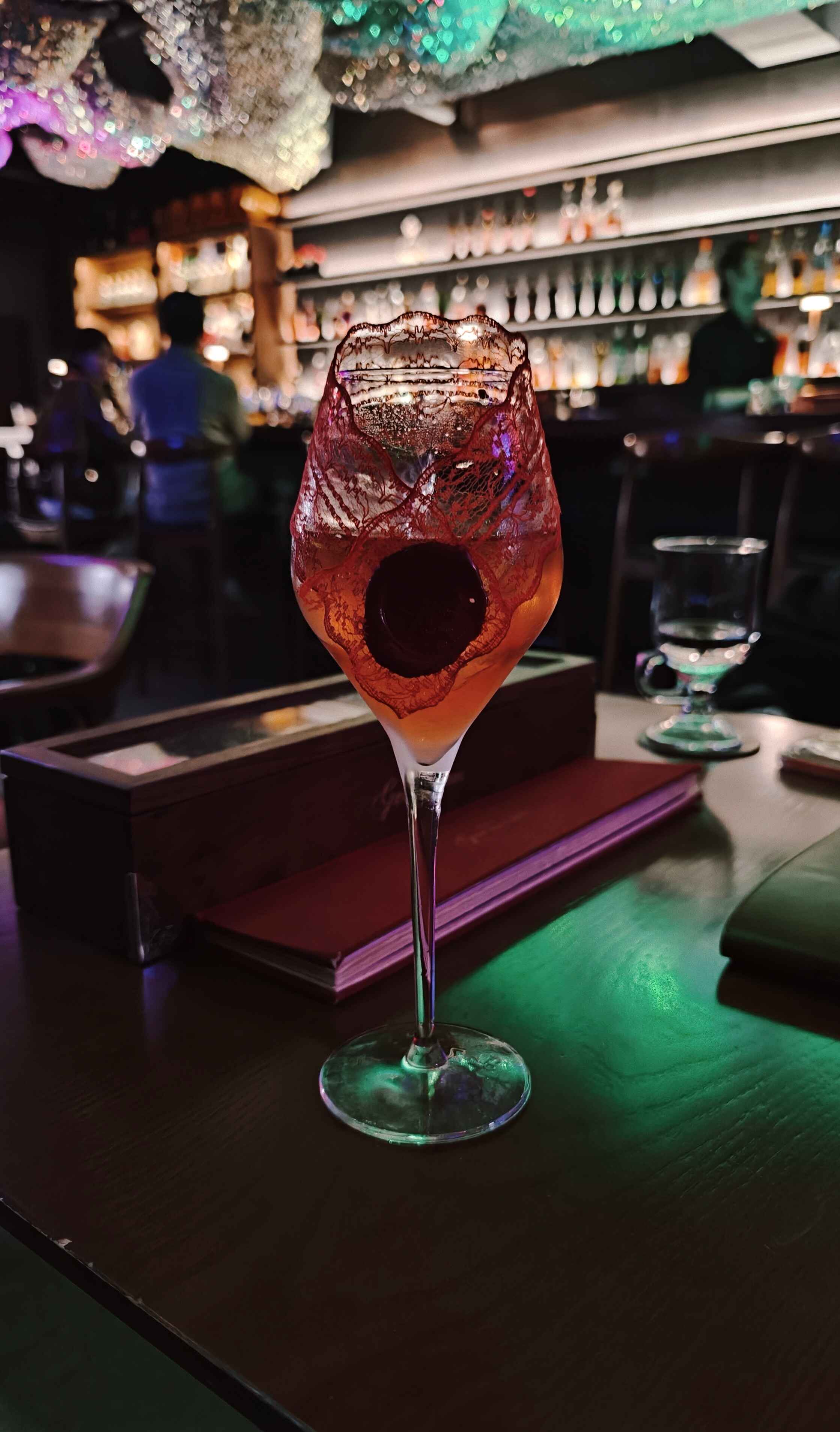
This is a scent-led bar: instead of a menu, you're handed a set of perfumed stones, you choose by smell, and the bartender builds the drink around what you're drawn to.
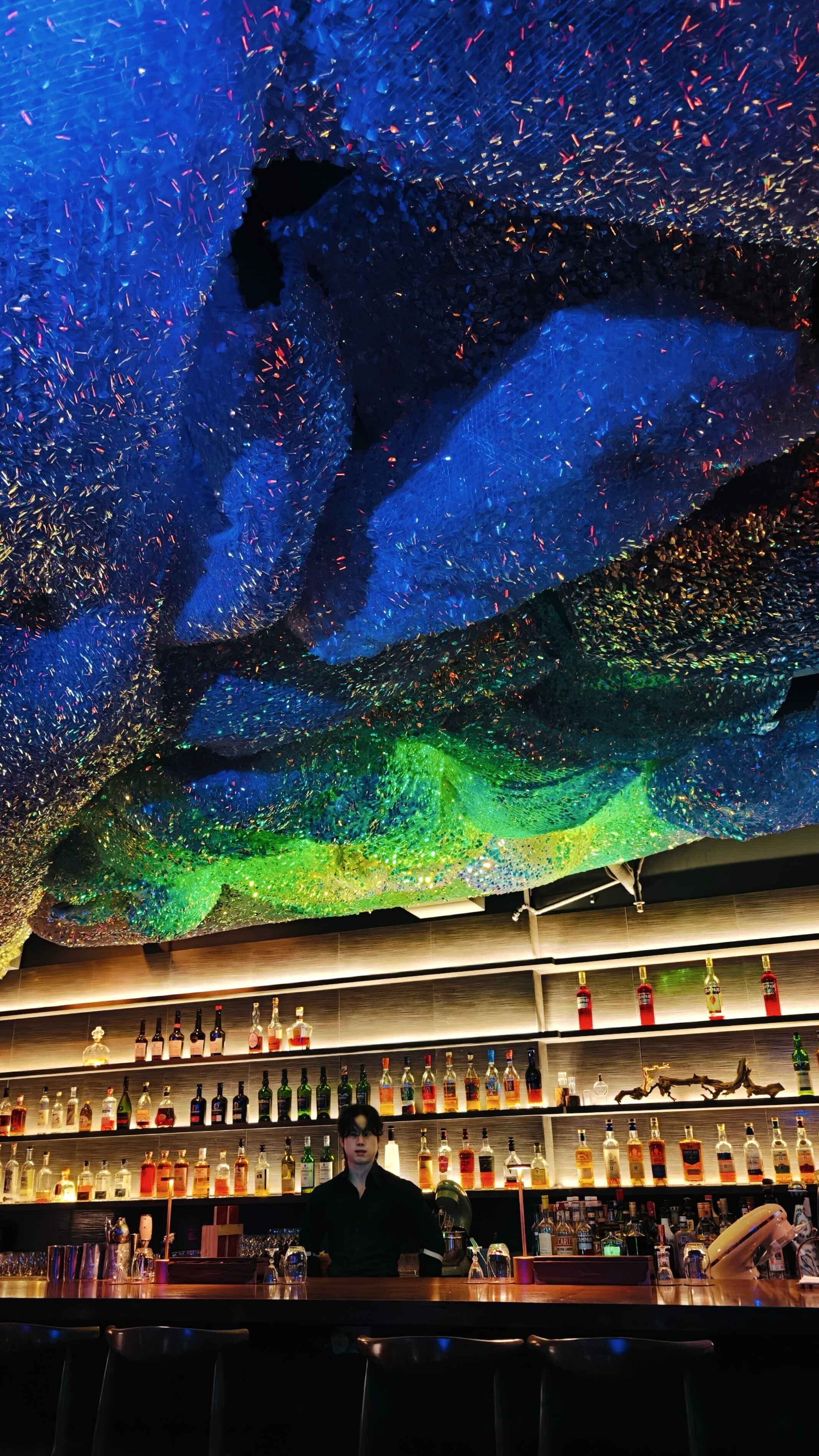
The room is intimate, with a glittering ceiling installation that's worth the visit on its own.
It's quieter than the surrounding bars — a good first or last stop on a night out.
Photos: The lace-rimmed cocktail, and the crystalline blue-green ceiling over the bottle wall.
Caption: "Bar Geranium — you choose your drink by scent, not by menu."
How to play it
Zest earlier (for the reservation and the focus).
Geranium later (for the looser, sensory end of the night).
Two bars, two completely different ideas of what a cocktail can be — which is the whole point of drinking in Seoul.
The Way I'd Actually Do It
Four neighbourhoods, four registers:
- Historic Seochon in the morning.
- Stylish Hannam in the afternoon.
- Loose, creative Mapo to reset.
- Polished Gangnam at night.
You could do it across a long day if you pushed, but the entire idea of this guide is not to push.
Spread it over a few days.
Leave the side streets unplanned.
Let the coffees be long.
That's how I travel every city — pick the areas that matter, do the best of each, and protect enough empty time to get pleasantly lost.
It's also, more or less, how we think about building a trip at Kaheen: not a checklist of sights, but a sequence of places paced the way you'd actually want to spend your time.
If you'd like Seoul built this way — or any city approached at this pace — that's exactly what we do.
Tell us how you like to travel, and we'll take it from there.